












CAPITALDIGEST MARKET REVIEW, 24/08/2026
August 24, 2026
STERLING EXTENDS RALLY ON FIRM RATES-HIKE BETS, SUBDUED DOLLAR
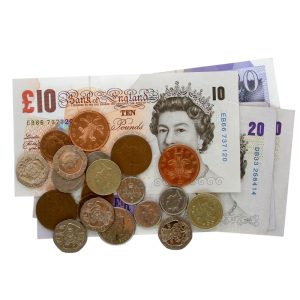
The British pound was on track for its fourth consecutive weekly gain on Friday, helped by a feeble dollar and recent economic momentum that has kept rate-hike bets alive. Sterling was last up 0.19% to $1.3658, hovering near its highest since February. Against the euro , the British currency was flat at 85.66 pence. A disconnect between economists’ expectations and market pricing has complicated the outlook for sterling. Economists polled by Reuters expect the central bank to keep borrowing costs unchanged this year, while traders are still pricing in at least one increase in 2026, according to data compiled by LSEG. The mismatch could put the pound’s gains to the test, even as some investors point to recent inflation and GDP data as evidence that the BoE may need to raise rates, a move that would typically support the currency. “I think that inflation running relatively too high for comfort gives the BoE some room for hikes this year. And then there’s a reasonably strong chance for additional hikes through 2027 if, in fact, inflation doesn’t come down,” said Brock Weimer, analyst, investment strategy at Edward Jones. The pound was also helped by weakness in the dollar, which fell on concerns that the U.S. Treasury’s efforts to calm the bond markets might end up undermining confidence in the currency. Separately, British retail sales in July fell as expected after a surge in June, according to official figures released on Friday. Another set of data also showed that Britain’s government recorded an unexpected budget deficit last month.
DOLLAR REBOUNDS FROM LOSSES SPARKED BY TREASURY BUYBACK PLAN
The U.S. dollar rebounded from earlier losses to post a modest gain on Thursday as traders evaluated whether U.S. Treasury Department efforts to hold down longer-term Treasury yields will be successful. The Treasury said on Wednesday it would double the size of its buybacks of 10- to 30-year debt to at least $4 billion per operation, in an attempt to steady a market that had been rattled by concerns over the growing U.S. fiscal deficit. The announcement triggered a sharp selloff in the U.S. currency as traders worried that, instead of long-term yields rising to reflect the fiscal picture, the pressure from pricing in a larger deficit would show up as a weaker dollar. That dynamic, which some in the market call the “debasement trade,” has also boosted gold and bitcoin as alternative stores of value. But markets pushed back against the Treasury’s latest move on Thursday, with yields renewing their climb, said Sarah Ying, head of FX strategy at CIBC Capital Markets. “This is (Treasury Secretary Scott) Bessent testing the market and the market fighting back,” Ying said. “It could very well be that we get a little bit more of these announcements in the future, but it doesn’t seem like they are very credible to the market, at least as of right now.” Bessent said on Thursday he may again increase the volume of Treasury bonds the government will repurchase, adding that “yields don’t reflect the underlying fundamentals.” The dollar index , which measures the greenback against a basket of currencies including the yen and the euro, rose 0.06% to 98.89, with the euro down 0.01% at $1.1676. The single currency had earlier reached $1.171, the highest since May 14. The Japanese yen weakened 0.6% against the greenback to 159.12 per dollar. This was the second time in weeks that Bessent has stepped in to try to counteract market moves, having joined Japan in a July 31 currency market intervention aimed at reversing the yen’s slide to 40-year lows against the dollar. The timing of Wednesday’s buyback announcement caught many investors off guard, coming soon after the Treasury’s quarterly refunding statement earlier in August and ahead of a 20-year bond auction. “It looked odd from a timing point of view at least,” said Shaun Osborne, chief FX strategist at Scotiabank. “Markets are concluding correctly that if the Treasury doesn’t want the bond markets to take the strain from these concerns about fiscal policy sustainability and Fed policy credibility, then the dollar will have to.” Traders are also focused on an upcoming speech from Federal Reserve Chairman Kevin Warsh at the central bank’s Jackson Hole symposium later this month for clues on how he plans to tackle still-elevated inflation. Warsh, who took over the Fed in May, unsettled markets after the central bank’s July meeting by offering few clues on how policymakers might respond to persistent price pressures. “Investors are going to want maybe a bit more from Warsh than a sort of very high-level kind of opaque repeat of the July FOMC press conference, where he talked a lot without really saying very much,” Osborne said. Minutes from the Fed’s July meeting, released on Wednesday, showed that concern about inflation deepened last month, with “several” policymakers ready to raise interest rates and “many” saying a hike in borrowing costs would be needed if inflation does not decline toward the central bank’s 2% target. Markets now price in a 35% chance of a September rate hike, rising to 67% for December. Sterling strengthened 0.18% to $1.3629 and had reached $1.3659, the highest since February 16. In cryptocurrencies, bitcoin gained 5% to $72,524.54, the highest since June 1.
STERLING HOLDS FIRM AFTER UK INFLATION DATA OFFERS LITTLE SURPRISE
The British pound clung to gains against the dollar early on Wednesday after data showed UK inflation in July picked up, as expected. Sterling was last up 0.14% at $1.3552, resuming its ascent a day after a tepid jobs report pressured the currency. It was a touch weaker against the euro at 85.56 pence. Investors are combing through the latest batch of economic data for clues on whether sterling’s rally can continue after three consecutive weeks of gains. The resilience of the UK economy has bolstered sentiment, but elevated oil prices because of the receding prospects of a deal between the U.S. and Iran to end their war remain a drag. Annual consumer price inflation rose to 2.9% in July from a 15-month low of 2.6% in June. Economists polled by Reuters had widely expected a 2.9% increase, although the Bank of England predicted a smaller rise to 2.8% in forecasts published at the end of last month. “Domestically generated inflation remains contained. We remain content with our view that provided energy prices don’t rise much further, CPI inflation will fall to 2.0% by the end of next year,” said Ruth Gregory, deputy chief UK economist at Capital Economics. The BoE has a 2% inflation target. Traders expect at least one rate hike by the central bank this year, according to data compiled by LSEG. But a majority of economists polled by Reuters expect the central bank to leave rates unchanged at 3.75%. Analysts at Goldman Sachs, which expects no rate increases this year, said the mismatch could be a “likely source of downside sterling pressure in the months ahead”.
DOLLAR EDGES LOWER AGAINST EURO AS MARKETS TRIM RATE HIKE BETS
NEW YORK Aug 17 (Reuters) – The dollar edged lower against the euro and the Swiss franc on Monday as traders trimmed rate hike bets in the wake of softer U.S. economic data. Traders are selling off the dollar as they worry about U.S. economic growth and the Federal Reserve’s interest rate response after recent underwhelming data, said Kit Juckes, chief FX strategist at Societe Generale. Data showed last week that U.S. retail sales fell in July for the first time in nine months, adding to unexpected job losses last month and mild inflation readings. The euro hit a two-month high and was last up 0.08% at around $1.1578 on the day. “We had a series of softer numbers in the U.S., with payrolls and retail sales coming out soft. That’s going to reprice expectations to some degree about how much the Fed is going to tighten policy. The knee-jerk reaction of that is what is partly sending the dollar down,” Juckes said. Traders expect just a 30.6% chance of a rate increase at the Fed’s September meeting, compared with 52.2% a week ago, according to the CME FedWatch tool. The repricing comes as markets prepare for the Fed’s Jackson Hole symposium next week, where investors will look for clues on policymakers’ interpretation of the latest economic data. “The CFTC (Commodity Futures Trading Commission) data showed a big, big, big net dollar long position, which is being squeezed out at the back end of August. Obviously, it’s squeezable at this time of the year. I think the markets sold the dollar and then paused a little bit,” Juckes said. The dollar weakened 0.34% to 0.81085 against the Swiss franc . Joint efforts by the U.S. and Japan to stem the slide in yen have also set up a delicate backdrop for currency markets and the focus has shifted to whether the Bank of Japan will raise rates soon. The yen pared early gains and was last down 0.11% to around 159.49 per dollar, brushing aside weaker-than-expected Japanese economic growth data. Japanese and U.S. authorities intervened in currency markets in late July to stem the yen’s weakness. The dollar index, which measures the greenback against a basket of other major currencies, recouped losses after falling to its lowest since early June . It was last flat at 99.60. “While the market is pricing in a sharper BoJ rate hiking cycle, USD/JPY could trade higher on the back of strong global risk sentiment and elevated US terminal rate pricing despite a modest US inflation print,” said Morgan Stanley analysts led by David Adams in an investor note. China’s industrial output growth slowed while retail sales grew less than expected in July, data on Monday showed. The dollar weakened 0.03% to 6.742 versus the offshore Chinese yuan. The Australian dollar strengthened 0.34% versus the greenback to $0.7105.

STERLING ADVANCES AHEAD OF ECONOMIC DATA THAT COULD TEST RALLY
The pound rose on Monday as investors awaited a batch of inflation and labour market data that could put the currency’s recent gains to the test. Sterling rose 0.21% against a weaker dollar to $1.3560 after three consecutive weekly gains. It was also trading 0.06% higher at 85.50 pence per euro . The inflation and labour market readings due later this week will be crucial to the Bank of England’s interest rate outlook and could determine whether sterling can extend its recovery after a period of political turmoil in the UK. The currency was boosted by data last week that showed the British economy had grown unexpectedly in June thanks to the start of the men’s soccer World Cup, hot weather and respite from the energy price surge. However, a survey published on Monday showed that employers remain reluctant to hire and confidence has held near its weakest levels outside the COVID-19 pandemic. “Policymakers are likely to focus on the broader trend rather than any single data point,” said Derek Holt, head of capital markets economics at Scotiabank. The relief from lower crude oil prices in June could also be temporary, given the latest flare-up in Middle East tensions. Iran called on the U.S. to accept defeat while President Donald Trump told Americans to prepare for continued high fuel prices.”All the focus is back on oil prices. Households could yet interpret sticky energy prices as more permanent,” Pantheon Macroeconomics economists wrote. Traders are pricing in at least one increase to interest rates by the Bank of England this year, according to data compiled by LSEG. The central bank’s chief economist, Huw Pill, told the Wall Street Journal last week that stronger than expected economic growth reinforced the case for higher borrowing costs.